
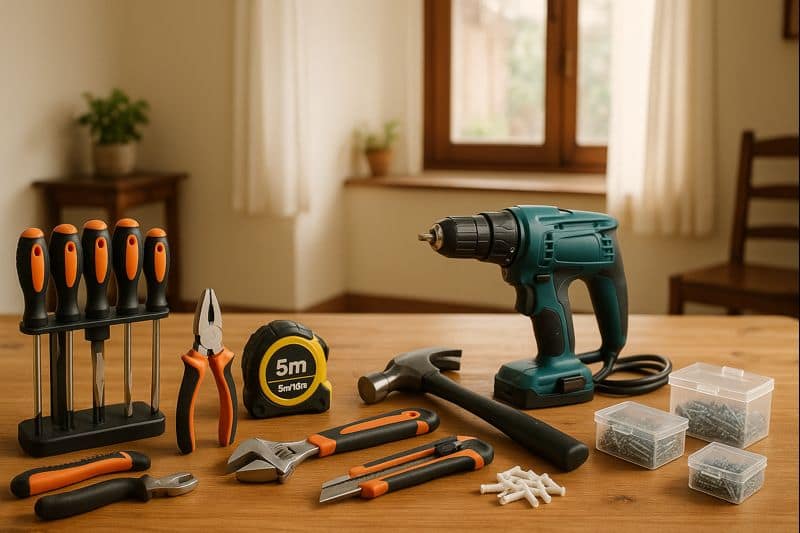
 Modern Indian homes are evolving rapidly—compact living, busy schedules, and rising service costs are prompting more homeowners and housewives to adopt smart DIY home care. Whether it’s a loose kitchen tap, a flickering bulb, damp walls during monsoon, or choosing your first toolkit, people want simple, clear, and affordable guidance.
JeepinInMidwest was created to fill that gap.
Our goal is to become India’s most practical home-maintenance guide, where every article breaks down tools, repairs, seasonal prep, buying advice, and DIY solutions in a way that anyone can understand—no complicated jargon, no confusing engineering terms.
Just real, useful home advice that works.
On this website, you will learn:
✔ How to choose the right tools for your home
✔ How to repair small issues yourself without waiting for a technician
✔ How to compare tools before buying
✔ How to set up your home efficiently
✔ How to protect your home during seasonal changes
✔ How to reduce long-term ownership cost with smart maintenance
Everything is explained in a beginner-friendly way, especially for Indian homeowners and housewives, who manage day-to-day home tasks and want easy, safe solutions.
Why DIY Matters for Indian Homes
India is changing—urban homes are smaller, technicians charge more, and appointment delays can stretch for days. Simple problems like a loose screw, door hinge noise, water leakage, or appliance vibrations often don’t need a professional; they need just a few tools and basic knowledge.
DIY gives you:
- Independence to fix small issues instantly
- Savings on repair costs
- Convenience—no waiting, no follow-up calls
- Confidence in maintaining your home
- Cleaner, safer, and more organized spaces
Every home deserves a basic toolkit and basic repair knowledge. That’s exactly what JeepinInMidwest teaches.
Website Categories & What You Will Learn
Let’s go deeper into the five main categories of the website. Each category is designed to solve real household problems with step-by-step clarity.
Home Buying Guides:

Setting up your first home toolkit can feel confusing—there are hundreds of tools available, each promising to “fix everything.” But most Indian homes only need a core set of beginner-friendly tools to handle 80% of everyday repairs. Whether you’re a new homeowner, a housewife managing daily home tasks, or someone learning DIY fixes, the right starter tools help you work faster, safer, and more confidently.
This guide breaks down which tools you actually need, why they matter, and how to choose the right ones without overspending.
1. Screwdriver Set (Multi-Bit or 2-in-1)
A screwdriver is the most frequently used tool in any Indian home. From tightening loose cabinet handles to assembling furniture or opening appliances for cleaning, a good screwdriver set saves time and effort.
What to Buy:
- Multi-bit screwdriver with interchangeable tips
- A simple 2-in-1 reversible screwdriver for minimal setups
Why It’s Essential:
- Handles 80% of everyday fixes
- Beginner-friendly and safe to use
- Takes very little storage space
2. Adjustable Wrench (Spanner)
Perfect for plumbing tasks, tightening nuts, and assembling furniture, an adjustable wrench is a must-have for every home.
What to Look For:
- Smooth adjustment knob
- Comfortable grip
- Rust-resistant steel
Why You Need It:
It’s extremely helpful for tap fittings, cylinder connections, furniture bolts, and basic repairs you’d otherwise call a plumber for.
3. Claw Hammer
A hammer is not just for nails—it helps with minor carpentry, wall hangings, opening crates, removing small fittings, and occasional DIY tasks.
Choose:
- Medium weight (not too heavy for beginners)
- Anti-slip grip handle
Why It Matters:
It’s a lifelong tool and will always stay useful, especially during home setup or shifting.
4. Pliers Set (Combination + Nose Pliers)
Pliers make gripping, bending, cutting wires, and pulling nails easier. Combination pliers are multipurpose, while nose pliers help in tight spaces.
Look For:
- Insulated handles (for basic electrical safety)
- Sharp cutting edge
Best Uses:
- Opening bottle caps tightly stuck
- Repairing small electrical items
- Household craft or DIY tasks
5. Measuring Tape (3m–5m)
Measurement mistakes lead to wrong drilling, wrong furniture placement, and wasted time. A tape measure solves it all.
Choose:
- A tape with a locking button
- Clear and bold markings
Why It’s Essential:
You will use it for everything—from hanging frames to checking cupboard sizes, curtain length, or appliance spacing.

6. Utility Knife (Cutter)
Safe and sharp, a utility knife helps with opening packages, trimming materials, cutting cardboard, or scoring plastic.
Features to Check:
- Retractable blade
- Sturdy metal body
- Replaceable blades
This tool becomes a daily-use item in most homes.
7. Beginner Tool Box (Plastic or Metal)
Once you buy tools, you need a clean place to store them. A basic toolbox helps keep everything organized and rust-free.
Choose:
- A compact plastic box (rust-free)
- With dividers for screws and nails
Why Storage Matters:
Proper storage increases tool life and reduces clutter at home.
8. Voltage Tester Screwdriver
Safety first. This small, inexpensive tool helps you check whether a switch, socket, or wire is live. A must-have in every Indian household.
Why It’s Important:
- Prevents accidental electric shocks
- Helps diagnose faulty switches
- Essential during minor repairs
9. Basic Hardware Kit (Nails, Screws, Wall Plugs)
You don’t need a big pack—just a small mix of useful sizes.
Keep:
- Wall plugs (6mm & 8mm)
- Screws of various lengths
- Picture-hanging hooks
These will handle most installation tasks around the home.

DIY Fix & Maintenance:
For most Indian families, small home issues—like a loose door hinge, dripping tap, flickering bulb, or clogged drain—are everyday problems. And while calling a technician every time is an option, it often costs more, takes time, and sometimes the fix is so simple that you can do it yourself in minutes.
That’s where DIY Fix & Maintenance comes in. It empowers beginners, especially housewives and new homeowners, to take control of basic repairs using safe, easy steps and a few home tools.
DIY doesn’t mean heavy carpentry or risky electrical work. It simply means handling small, low-risk repairs at home using easy methods, saving time and money.
Why DIY Fix & Maintenance Matters in Indian Homes
Indian homes face unique challenges—humidity, monsoon seepage, kitchen wear and tear, hard water issues, balcony rusting, and constant use of appliances. Learning DIY basics helps you:
- Fix problems before they become expensive
- Maintain tools and appliances for longer life
- Reduce dependence on technicians
- Improve safety in your home
- Avoid unnecessary service charges
When you know how things work, you manage your home better.
1. Basic DIY Fixes Every Beginner Should Learn
You don’t need engineering knowledge—just observation and a simple toolkit. These are easy repairs almost anyone can do.
Fixing Loose Screws
Furniture and handles often loosen due to daily use. A screwdriver set easily tightens most screws.
Lubricating Squeaky Hinges
A squeaky door hinge needs just a few drops of oil or WD-40 spray.
Stopping a Minor Tap Drip
A basic adjustable wrench lets you tighten connections or replace a cheap faucet washer.
Fixing Loose Wall Hooks
A loose hook may only need a slightly bigger screw or fresh wall plug.
Replacing Bulbs & Tubelights
Learning how to safely replace bulbs reduces dependency and improves confidence.
Unclogging Kitchen & Bathroom Drains
Hot water, baking soda, or a small drain snake can solve minor blockages.
These quick fixes are often done within minutes and require minimal effort.
2. Regular Home Maintenance Tasks Beginners Can Handle
DIY is not only about repairing; it’s also about preventing future problems.
Cleaning Exhaust Fans & Ventilation Grilles
Dust buildup reduces air quality and efficiency. Monthly cleaning helps appliances last longer.
Maintaining Kitchen Appliances
Wiping refrigerator coils, cleaning microwave interiors, and descaling your kettle improve performance.
Seasonal AC Filter Cleaning
This is one of the easiest DIY tasks—removing the filter, washing it, and reinstalling it.
Tightening Furniture
Tables, cots, and chairs loosen over time. A simple inspection every 2 months keeps everything sturdy.
Tool Maintenance
Especially during the monsoon, tools must be cleaned, dried, and lightly oiled to prevent rust.
Routine maintenance keeps your home safe and cuts long-term ownership costs.

3. Safety First: What Beginners Should Avoid
While DIY is empowering, safety must come first. Beginners should avoid:
- Major electrical work
- Fixing heavy plumbing leaks
- Removing tiles or drilling near wiring
- Repairs requiring cutting machines
- Fixing LPG or gas pipeline issues
These tasks carry higher risk and should be handled only by professionals.
You’ll find that 70–80% of home issues fall in the beginner-safe category.
4. Essential Tools for DIY Beginners
A small set of tools makes DIY easy and enjoyable. Keep these handy:
- Screwdriver set
- Adjustable wrench
- Pliers
- Utility knife
- Hammer
- Electric tester
- Tape measure
- WD-40 or machine oil
You don’t need expensive tools—just reliable, beginner-friendly ones.
5. Building DIY Confidence Over Time
DIY skills improve with practice. Start with small repairs, watch how things work, and follow simple instructions. With time, you’ll:
- Understand your home layouts
- Recognize problems before they worsen
- Reduce repair expenses
- Maintain tools and appliances better
DIY is not just about fixing things—it’s about becoming confident and self-reliant.
Tool Comparison:

Choosing the right tools for your home can feel overwhelming, especially when every product claims to be “stronger,” “faster,” or “more durable.” Indian homeowners often struggle to understand which tool is suitable for daily home needs and which features truly matter. That’s why the Tool Comparison category on JeepinInMidwest exists—to simplify choices and help you buy smart, budget-friendly, long-lasting tools.
Tool comparison is not just about price; it’s about matching a tool’s performance with your real everyday home tasks. Whether you’re a housewife managing home repairs or a new homeowner building your first toolkit, comparing tools helps you buy exactly what you need without wasting money.
Why Tool Comparison Matters for Indian Homes
Indian homes face unique challenges: compact spaces, monsoon humidity, frequent maintenance needs, and limited storage. A wrong tool can become useless quickly or fail during important repairs.
Comparing tools helps you:
- Avoid overpriced or unnecessary features
- Choose the right size and type
- Understand durability vs. usage
- Save money on long-term ownership
- Upgrade your toolkit slowly and wisely
- Improve safety in your home
A clear comparison ensures you buy tools that match real Indian household situations—not industrial or heavy-duty scenarios.
1. Manual Tools vs. Power Tools: Which Should Beginners Choose?
This is one of the most common questions. For most homes, manual tools are enough for daily tasks like tightening screws, fixing taps, or assembling furniture.
Power tools help when you need drilling, cutting, or higher force.
Manual Tools
Best for beginners.
Examples: screwdriver set, pliers, hammer, wrench.
Pros:
- Low cost
- Safe for beginners
- Easy to store
- No electricity required
Cons:
- Not suitable for heavy-duty tasks
Power Tools
Ideal for homeowners who want faster repairs.
Examples: drill machines, electric screwdrivers, sanders.
Pros:
- Quick and efficient
- Handles tough jobs
- Great for long-term DIY projects
Cons:
- Higher cost
- Requires safety precautions
Conclusion: Start with manual tools; add power tools slowly as your confidence grows.
2. Screwdriver Set vs. Multi-Bit Screwdriver
Choosing between a full screwdriver set and a multi-bit tool depends on your home needs.
Screwdriver Set
Multiple fixed screwdrivers for different sizes.
Pros:
- Stronger torque
- Durable for long-term use
- Easy for beginners
Cons:
- Takes more storage space
Multi-Bit Screwdriver
One handle; interchangeable bits.
Pros:
- Saves space
- Easy to carry
- Budget-friendly
Cons:
- Bits may get misplaced
- Not ideal for heavy tightening
Best for beginners:
Multi-bit screwdriver for everyday tasks.
Full set later if you start doing more DIY work.

3. Adjustable Wrench vs. Fixed Wrench Set
Adjustable Wrench
One tool fits many bolt sizes.
Pros:
- Versatile
- Best for beginners
- Saves space
Cons:
- Slightly less strong than fixed wrenches
Fixed Wrench Set
Multiple wrenches, each designed for a specific size.
Pros:
- Very strong
- Ideal for plumbing or mechanical tasks
Cons:
- More expensive
- Takes more space
Best for Indian homes:
Start with one adjustable wrench.
4. Corded Drill vs. Cordless Drill
A drill is the first power tool most homeowners buy. Choosing the right type is important.
Corded Drill
Runs on electricity.
Pros:
- More powerful
- No battery charging
- Perfect for concrete walls
Cons:
- Needs a plug point
- Less portability
Cordless Drill
Battery-operated.
Pros:
- Portable and lightweight
- Safe for beginners
- Great for wood and furniture work
Cons:
- Battery may discharge quickly
- Less power on hard walls
Best choice:
Corded drill for concrete-heavy Indian homes, cordless for light DIY.
Home Setup Guides:

Setting up a home is much more than arranging furniture—it’s about creating a space that is comfortable, efficient, easy to maintain, and ready for everyday living. For Indian homeowners and housewives, a home setup must balance practicality, storage, safety, and accessibility. That is exactly what the Home Setup Guides category on JeepinInMidwest helps you achieve.
Whether you’re moving into a new house or upgrading your existing space, these guides break down everything you need to organise your home smartly and affordably.
Why Home Setup Matters for Indian Families
Indian homes are unique because they often combine:
- Multi-purpose rooms
- Compact spaces
- Heavy kitchen usage
- Seasonal weather challenges
- Guests and extended family visits
- Cultural storage needs (festive items, grains, utensils)
A properly set-up home saves time, reduces clutter, and creates a smoother daily routine.
1. Setting Up Your First Home Repair Kit
Every home—no matter the size—needs a small, reliable toolkit. This helps you handle 70–80% of common home issues without waiting for a technician.
Essentials for a Beginner Home Repair Kit:
- Screwdriver set (multi-bit is ideal)
- Adjustable wrench
- Pliers (basic + nose plier)
- Measuring tape
- Hammer
- Utility knife
- Electrical tester
- Basic hardware (nails, screws, wall plugs)
- WD-40 or machine oil
These tools are affordable, low-maintenance, and help you handle quick fixes like tightening screws, assembling furniture, fixing taps, and more.
2. Smart Kitchen Setup for Indian Homes
The kitchen is the busiest area in most homes, especially for housewives. A smart layout saves effort and increases safety.
Kitchen Setup Tips:
- Keep daily-use items in the lowest shelves
- Use pull-out baskets for grains, spices, and utensils
- Install a bright LED light near the stove
- Use heat-resistant mats and anti-slip floor mats
- Add hooks for spatulas, towels, oven mitts
- Keep a fire safety blanket or extinguisher nearby
- Use vertical space—magnetic knife strips, wall shelves, hanging baskets
A well-organized kitchen reduces cooking time and makes cleaning easier.

3. Bedroom & Living Room Setup Essentials
Comfort and accessibility are key in these areas.
Bedroom Setup Tips:
- Use under-bed storage for blankets or seasonal clothes
- Choose blackout curtains for better sleep
- Keep a small toolbox or torch in your bedside drawer
- Opt for minimal furniture to avoid crowding
Living Room Setup:
- Use multi-functional furniture like ottomans with storage
- Install cable organizers to avoid wire clutter
- Keep a dedicated corner for cleaning tools like vacuum or broom
- Add indoor plants for better air quality
A simple, functional setup improves daily comfort.
4. Storage & Organization Solutions
Indian homes need strong, smart storage due to festival items, winter clothes, groceries, and kitchen utensils.
Practical Storage Ideas:
- Transparent boxes for easy identification
- Labels for seasonal items
- Airtight containers for grains
- Tool storage cabinet for DIY tools
- Wall-mounted shelves for balconies and utility rooms
Organized storage prevents damage and reduces time spent searching for things.
5. Seasonal Home Setup Adjustments
India’s weather demands seasonal preparation.
Summer Setup:
- Add sun-block curtains
- Move appliances away from walls for ventilation
Monsoon Setup:
- Shift tools indoors
- Add doormats at all entrances
- Seal window gaps
Winter Setup:
- Keep warm drinks and heaters accessible
- Add thicker bedding
Season-based setup keeps your home safer and more comfortable.
Seasonal Home Tips:

India’s climate changes sharply—from scorching summers to heavy monsoons and chilly winters. Each season brings its own set of home challenges: damp walls, rusting tools, heat damage, pests, dust, power load, and appliance strain. That’s why Seasonal Home Tips play a major role in maintaining a safe, comfortable, and cost-effective home.
Unlike western climates, Indian homes require constant seasonal adjustments. With simple planning and DIY steps, you can prevent major problems and reduce repair expenses significantly.
1. Summer Home Care Tips for Indian Families
Indian summers can reach extreme temperatures, making home maintenance essential for comfort and safety.
Keep Your Kitchen Safe in Heat
- Improve ventilation using exhaust fans or a portable fan
- Avoid heavy cooking during peak afternoon hours
- Store perishables quickly to prevent spoilage
- Keep LPG cylinders away from direct heat sources
AC & Cooler Maintenance
- Clean AC filters once every 2–4 weeks
- Ensure outdoor units are dust-free
- Add cooler pads or clean existing ones before use
Protect Furniture & Electronics
- Keep electronics away from direct sunlight
- Use blinds or sun-block curtains in west-facing rooms
- Apply furniture polish to prevent heat cracks
A little preparation reduces electricity bills and keeps your home cooler naturally.
2. Monsoon Home Protection Tips
Monsoon is beautiful, but it brings seepage, humidity, pests, mold, and slippery floors. A few preventive steps can save thousands in repairs.
Rainproof Your Home
- Seal cracks in walls and windows before the rains
- Waterproof your terrace if you notice seepage
- Add rain guards or awnings over windows
Prevent Dampness & Mold
- Keep furniture slightly away from walls
- Use moisture absorbers or charcoal packs in wardrobes
- Increase ventilation on dry monsoon days
Drain & Balcony Care
- Clean balcony drains frequently
- Remove leaves and debris after each rainfall
- Secure loose floor tiles or railings
Protect Tools & Appliances
- Store hand tools in airtight boxes
- Add silica gel packets to reduce moisture
- Avoid using power tools on damp surfaces
Monsoon preparation ensures a healthier and safer home environment.

3. Winter Home Comfort Tips
Winters in India may vary—from mild in the south to very cold in the north. Preparing your home ensures warmth, safety, and comfort.
Keep Rooms Warm
- Use room heaters suited to room size (fan heaters for small rooms, OFRs for long use)
- Close gaps under doors using draft stoppers
- Use heavy curtains to block cold air
Warm Drink & Food Prep
- Keep ingredients for ginger tea, turmeric milk, or kadha ready
- Use insulated flasks for warm water
Protect Pipes & Taps in Hill Regions
- Allow a slow drip in taps during freezing temperatures
- Insulate outdoor pipes using foam coverings
Clothing & Bedding Organization
- Bring out quilts, thermals, socks, and woolens
- Store winter wear in dry, clean boxes after use
Proper winter prep helps you stay warm without relying heavily on electricity.
4. Transitional Season Tips (Spring & Autumn)
These seasons are perfect for cleaning, maintenance, and preparing for upcoming climate changes.
Deep Clean Before Season Change
- Clean fans, lights, window tracks, and curtains
- Dust behind furniture
- Wash cushion covers and sofa throws
Rotate and Declutter
- Store seasonal appliances like heaters/coolers
- Donate unused clothes
- Reorganize wardrobes
Garden & Balcony Prep
- Trim plants
- Clean pots and add fresh soil
- Check drainage holes before monsoon
Transitional seasons give your home a fresh start.