
If you use basic home tools—screwdrivers, pliers, hammers, mixers, or even your drill—small issues eventually show up. Most of these don’t require a technician at all. With a few simple DIY fixes, you can repair, maintain, and extend the life of your home tools at almost zero cost.
This guide shares real Indian household examples, step-by-step repair methods, ownership cost tables, and practical maintenance tips so you can confidently fix tools on your own.
Why Simple DIY Fixes Matter for Indian Homeowners
DIY fixes help you avoid unnecessary technician visits, save money, and extend tool lifespan. In India, many small household repairs—like tightening loose handles, cleaning clogged mixers, or fixing jammed pliers—can be done using simple methods without expensive service charges or complex equipment.
Key Reasons DIY Fixes Are Useful
- Service charges in metro cities (₹200–₹700/min visit) are rising.
- Many problems are only due to dust, wear, loose screws, or lubrication issues.
- Tools used daily in Indian kitchens and homes require basic maintenance, not replacement.
- You learn long-term skills that reduce ownership costs.
Common Home Tools & Their Simple DIY Fixes
Below are the most used tools in Indian homes and the issues homeowners face, along with step-by-step fixes.
1. Screwdriver
A loose or rusty screwdriver usually needs tightening, sharpening, or basic oiling. Most issues occur due to moisture, metal wear, or using the wrong bit size. A simple cleaning, rust-removal, or grip adjustment can restore functionality without replacing the tool.
Step-by-Step DIY Fix
- Wipe the screwdriver with mild soap water and dry it fully.
- Apply 2–3 drops of machine oil to prevent rust.
- If the tip slips, lightly file the edge using a metal file.
- Tighten the handle screw if it feels loose.
- Store it away from damp spaces.
Real Indian Example
In many Mumbai homes, high humidity causes rust. A thin layer of oil every month prevents it.
2. Pliers
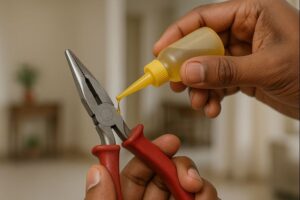
Stiff pliers typically need lubrication and cleaning. Dirt buildup and lack of oiling make joints rigid. A few minutes of cleaning and applying machine oil restores smooth movement.
DIY Fix Steps
- Clean the pivot joint with a toothbrush.
- Add 2 drops of WD-40 or coconut oil (common household alternative).
- Open and close the pliers 10–15 times to distribute the oil.
- Check the grip pads; replace them if cracked.
3. Hammer
Hammers loosen mainly due to worn wooden handles or metal expansion. Tightening the wedge or adding a replacement handle fixes the issue affordably.
DIY Fix Steps
- Hammer the metal wedge deeper into the wooden handle.
- For cracks, apply Fevicol SH and clamp overnight.
- Replace handle if damage is severe (₹80–₹120 cost).
4. Electric Drill
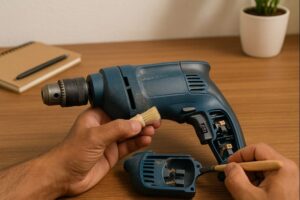
Drill issues in Indian homes usually occur due to clogged vents, old carbon brushes, or low voltage. Cleaning the vents and checking brushes often solves the problem.
DIY Fix Steps
- Unplug the drill and remove dust from vents.
- Open the side panel and inspect carbon brushes.
- Replace worn brushes (₹120–₹200 pair).
- Avoid using the drill during low-voltage periods.
5. Mixer-Grinder
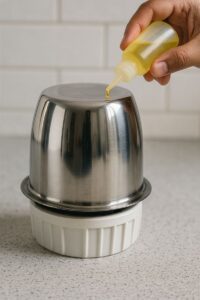
Most mixer issues—burning smell, slow blade, overheating—happen because of clogged bearings or dried lubrication. Cleaning and greasing usually fixes the problem.
DIY Fix Steps
- Remove the jar’s blade fitting.
- Add a few drops of coconut oil to the bearing.
- Clean food residue blocking the rotation.
- Let the motor cool if overheated.
Why Do Tools Fail in Indian Homes?
- High humidity (coastal cities → rusting)
- Hard water deposits (kitchen tools)
- Dust accumulation
- Overuse of cheap plastic-based tools
- No regular cleaning or oiling
Pros & Cons of Doing DIY Fixes in India
Pros
- Saves ₹1000–₹3000 annually
- No waiting for technicians
- Helps maintain tool longevity
- Builds personal skill
Cons
- Requires basic safety awareness
- Not suitable for electric motor burns
- Poor-quality tools may still fail
- Some fixes need proper replacement parts
Safety Tips Every Indian Homeowner Should Follow
- Always unplug electric tools before opening them.
- Wear slippers (Indian floors often conduct static).
- Use coconut oil only for manual tools, not motors.
- Avoid DIY electrical board repairs—call a licensed electrician.
Conclusion:
Simple DIY fixes for home tools save you money, time, and stress—especially for Indian households where daily usage is high. With basic maintenance and early troubleshooting, most issues can be solved in minutes.
If you want a customized home tool maintenance checklist or beginner toolkit recommendation under ₹1,500, just tell me—I’ll tailor it to your city, usage, and budget.
Disclaimer: This article is based on general DIY and maintenance knowledge. This is not professional advice for electrical or mechanical repairs. For complex electrical faults, follow BIS guidelines and contact certified technicians.