Preparing your home for monsoon is essential, especially in India where sudden heavy rain, leaks, and dampness can cause expensive damage. Learning how to rainproof home before monsoon helps you protect walls, roofs, windows, and drainage systems using simple steps based on user reports and commonly used household practices.
How Do You Check and Fix Roof Leaks Before Monsoon?
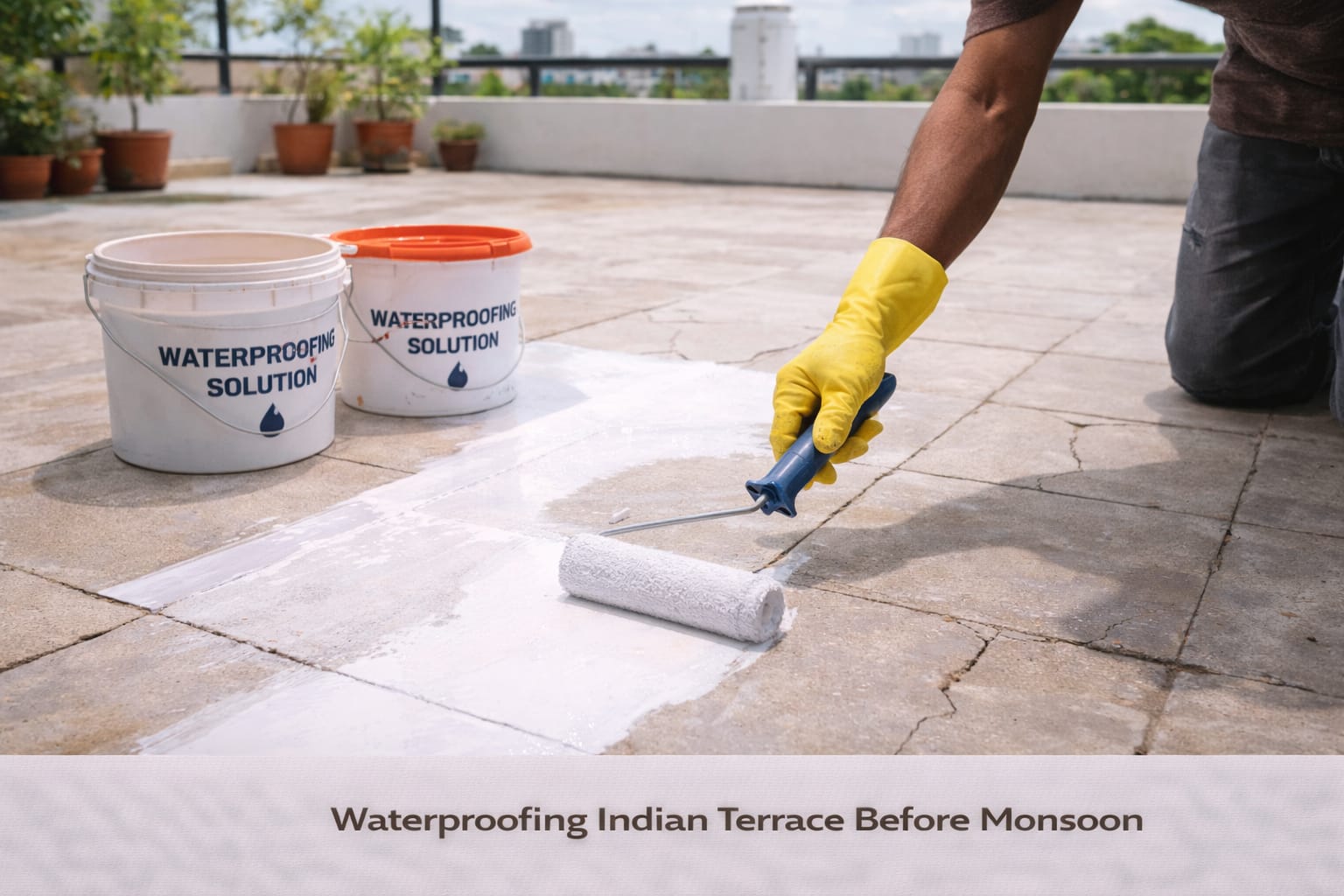
Inspect your roof or terrace for cracks, pooling water, and broken tiles. Sealing cracks early with waterproof chemicals prevents leaks during heavy rains. Many Indian homeowners report that early repair reduces long-term damage and dampness inside the house.
Steps to Follow
- Check for small cracks or weak spots
- Apply liquid waterproofing solutions or bitumen coating
- Ensure slope directs water toward drains
- Replace broken tiles or pavers
- Clear any accumulated debris
What Should You Do to Prevent Wall Dampness During Monsoon?
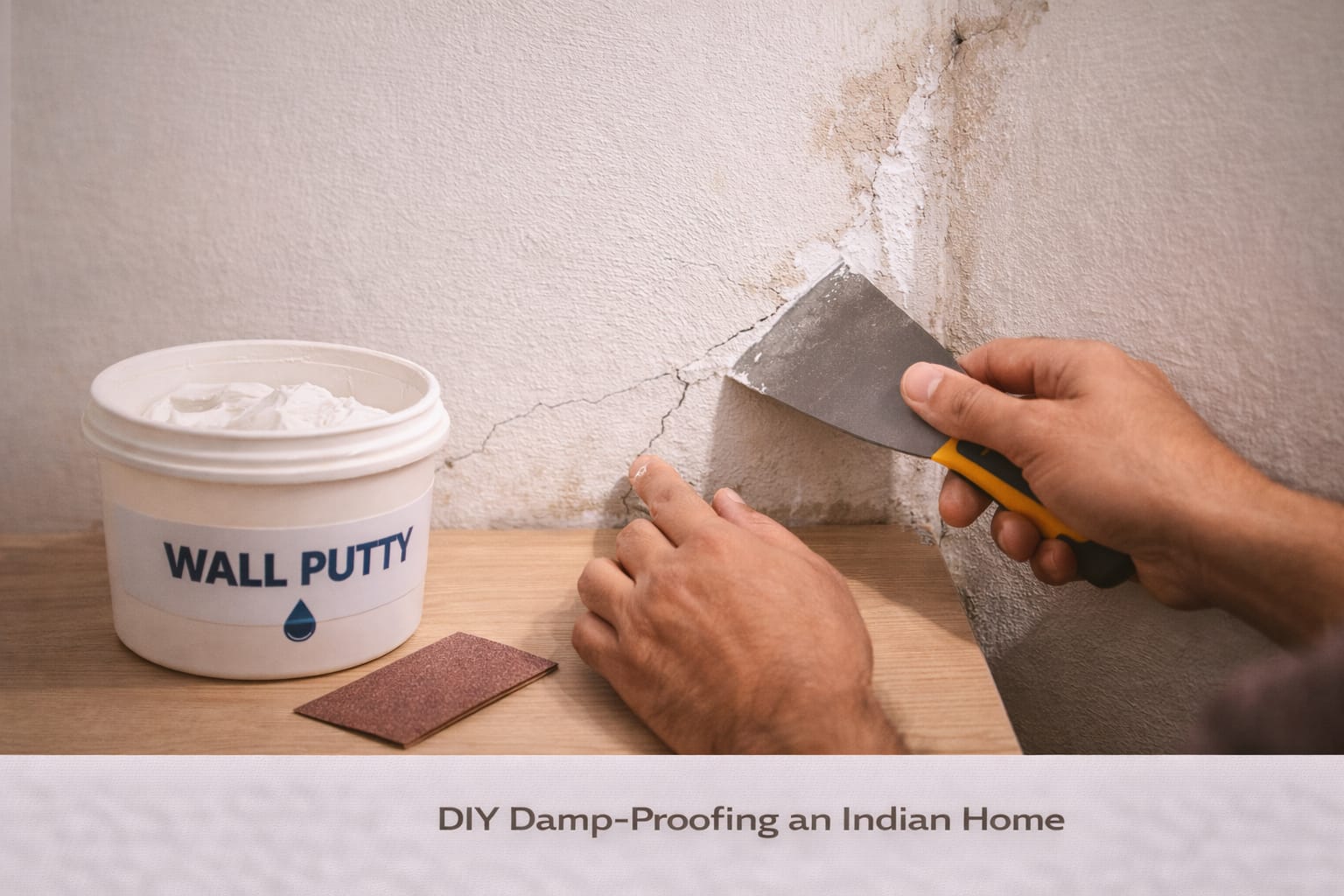
Wall dampness often comes from hairline cracks or seepage from neighbouring structures. Using putty, sealants, and waterproof exterior paints helps block moisture. According to support guidelines, addressing cracks early prevents fungal growth and peeling paint.
Damp-Proofing Tips
- Fill cracks with cement-based fillers
- Apply waterproof exterior paint on walls
- Check areas near bathrooms and balconies
- Keep heavy furniture slightly away from damp-prone walls
- Improve ventilation to reduce indoor moisture
How Can You Secure Windows and Doors Against Rainwater?
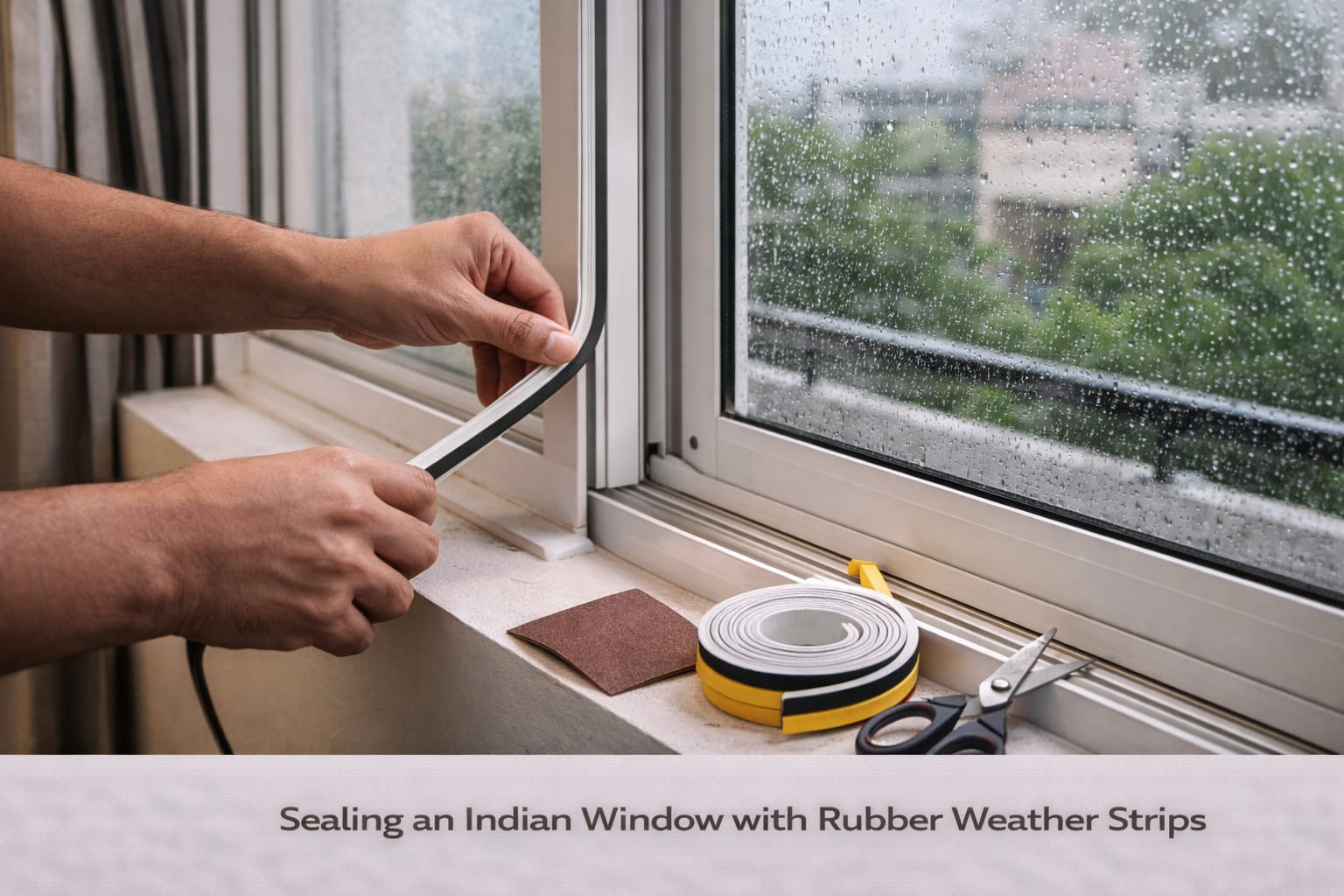
Rainwater often enters through loose frames, worn-out seals, or gaps in sliding tracks. Tightening frames, adding rubber seals, and cleaning tracks helps create a water-resistant barrier. Many housewives follow these methods regularly before monsoon arrives.
Steps to Make Windows Rain-Ready
- Install rubber sealing strips around gaps
- Clean sliding window tracks thoroughly
- Add rain guards or awnings if your windows face heavy rainfall
- Check door bottoms for gaps; use door draft stoppers
- Tighten hinges and locks for a firm closure
How Do You Prepare Kitchen, Balcony, and Drains Before Monsoon?
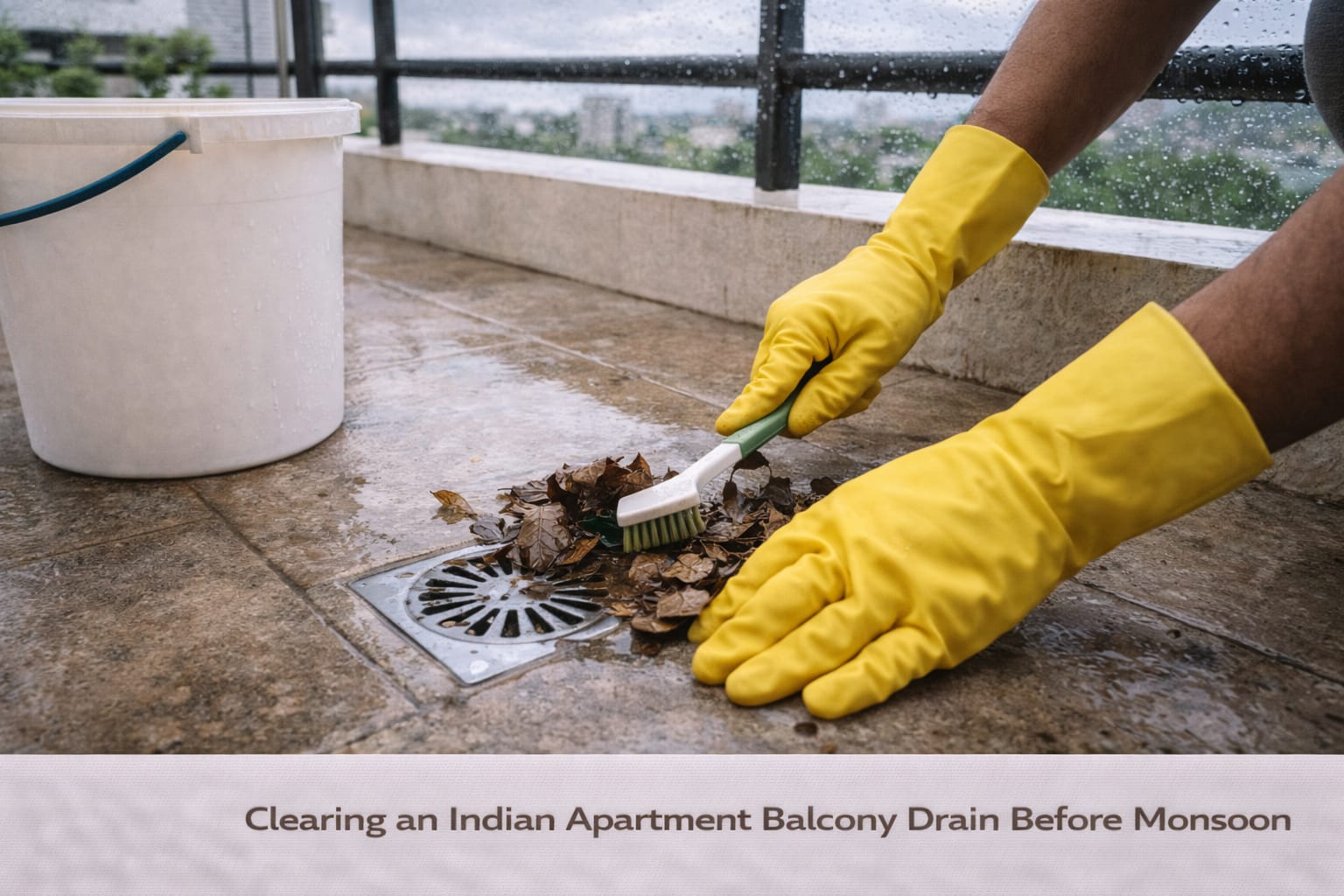
Clogged drains are one of the biggest causes of flooding during monsoon. Cleaning all balcony, bathroom, and kitchen drains ensures smooth water flow. Users report fewer blockages when this step is done before the season starts.
Drainage and Utility Prep
- Clean leaves and debris from balcony drains
- Use drain covers to prevent blockages
- Clear kitchen sink pipes using common cleaning solutions
- Ensure washing machine outlets are secure
- Check rainwater pipes for blockages
Conclusion
Understanding how to rainproof home before monsoon helps you protect your home from leaks, dampness, and drainage issues. With simple checks—like fixing cracks, sealing windows, and cleaning drains—you can make your home safer and more comfortable during heavy rains. These methods are practical, affordable, and widely used across Indian households.
Disclaimer: This article shares general troubleshooting information, not official support guidance.
Frequently Asked Questions
Q. How early should I start monsoon preparation?
A. Ideally, you should start 3–4 weeks before the monsoon begins. This gives enough time for repairs and waterproofing to dry properly.
Q. What is the easiest waterproofing method for beginners?
A. Using ready-to-apply liquid waterproof coatings on small cracks is one of the most beginner-friendly and commonly used methods.
Q. Why do walls get damp even without visible leaks?
A. Moisture can seep in through micro-cracks or from neighbouring walls. Improving ventilation and applying waterproof paint can help reduce dampness.
Q. How do I stop rainwater from entering windows?
A. You can install rubber seals, clean the window tracks, and add a small awning to divert rainwater away from the window.
Q. Can I do roof waterproofing myself?
A. Yes. Small terrace cracks can be fixed using DIY waterproofing chemicals. However, for large or severe damage, it’s best to call a professional.