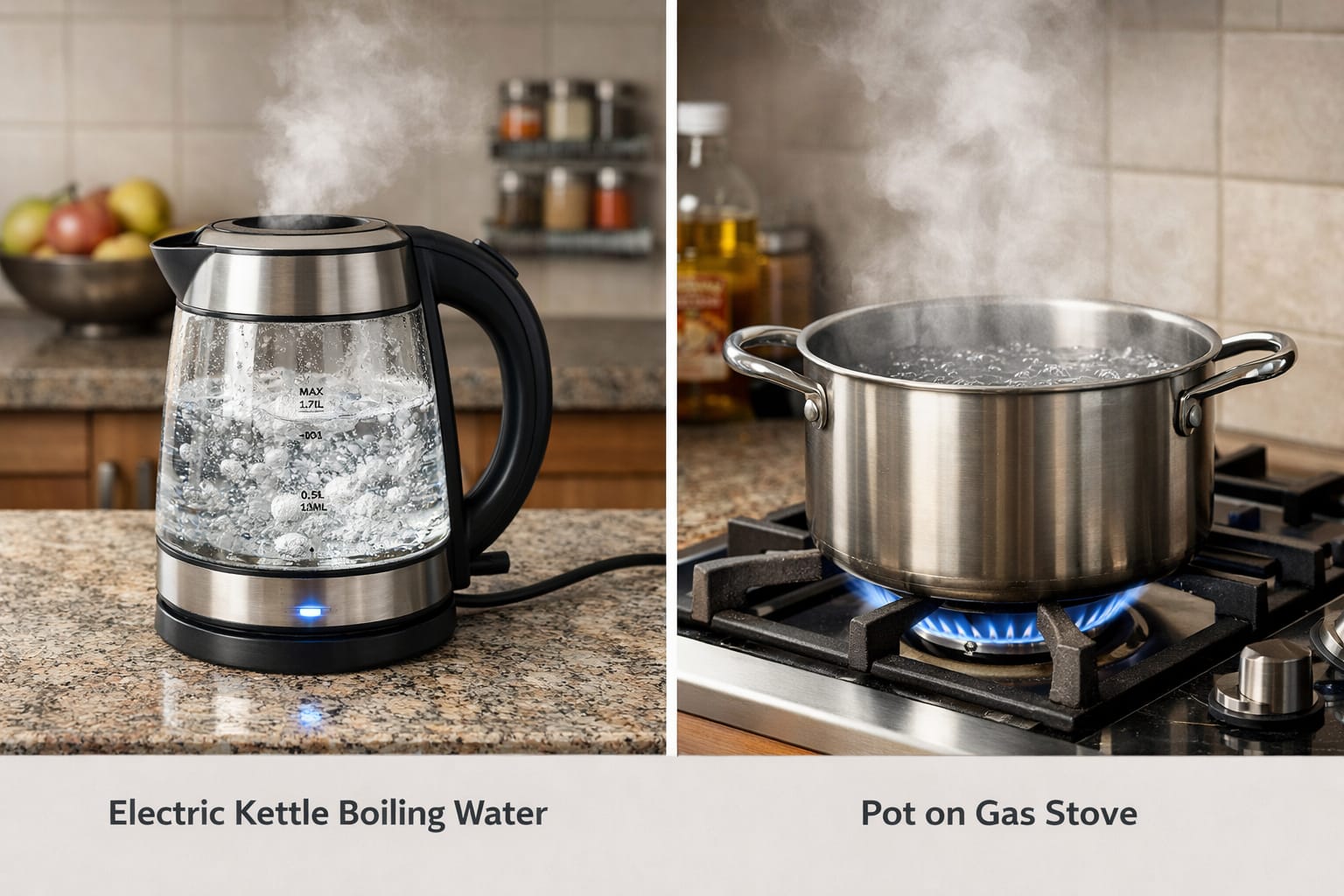
If you boil water daily for tea, coffee, noodles, or cooking, you’ve probably wondered which method is faster—an electric kettle or a gas stove. Both work well, but the time, energy use, and convenience are very different.
This guide compares electric kettle vs gas stove heating using real usage examples, user reports, and beginner-friendly explanations.
Which Heats Water Faster – Electric Kettle or Gas Stove?
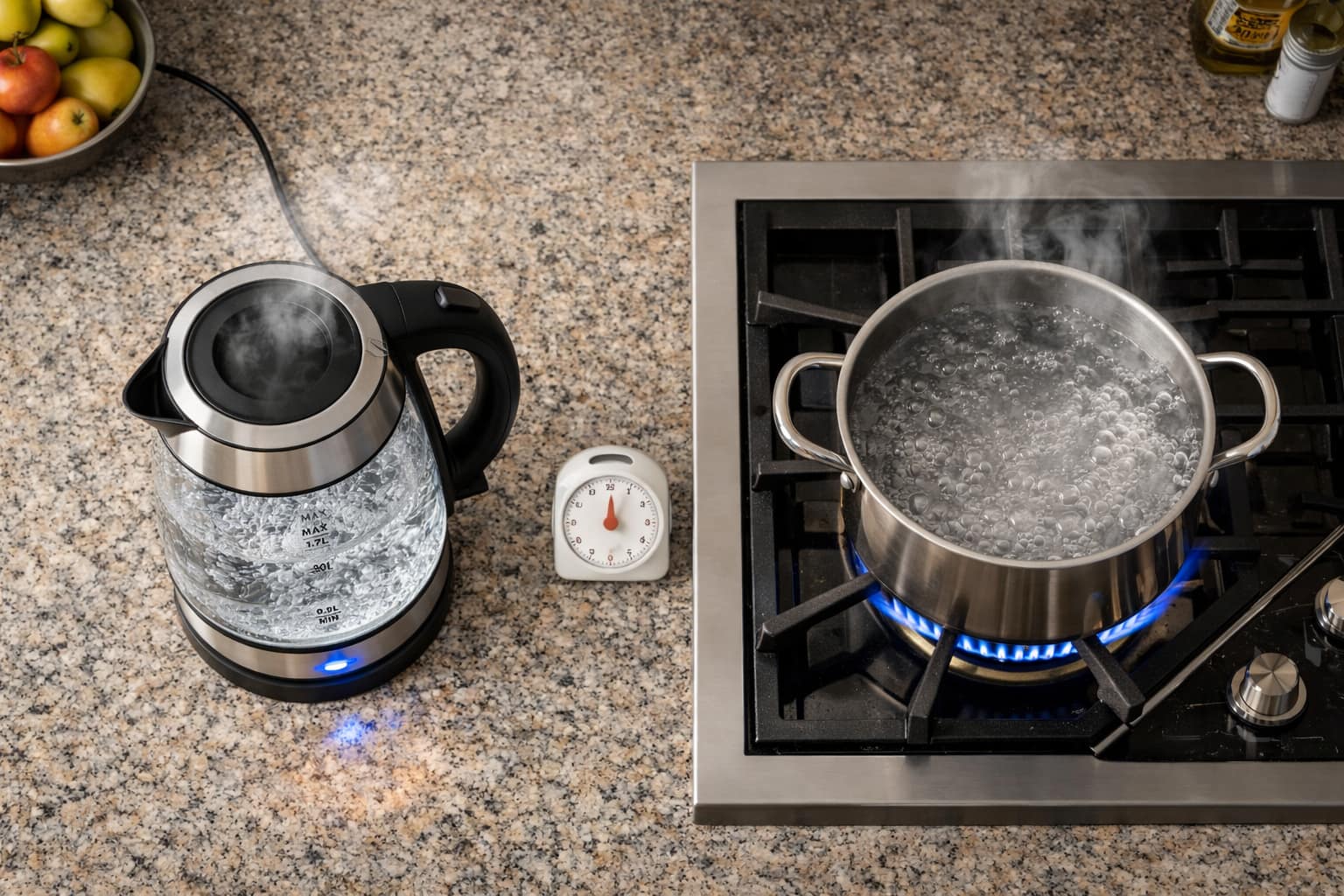
Electric kettles generally heat water faster because they use direct heating coils. Based on user reports, a 1-litre electric kettle boils water in 3–4 minutes, while a gas stove usually takes 5–7 minutes depending on flame strength and vessel type. Kettles lose less heat, making them more efficient.
Why Electric Kettles Are Faster
- Direct contact heating
- No flame loss
- Insulated walls help retain heat
- Suitable for small batches
Which Is More Convenient for Daily Use?
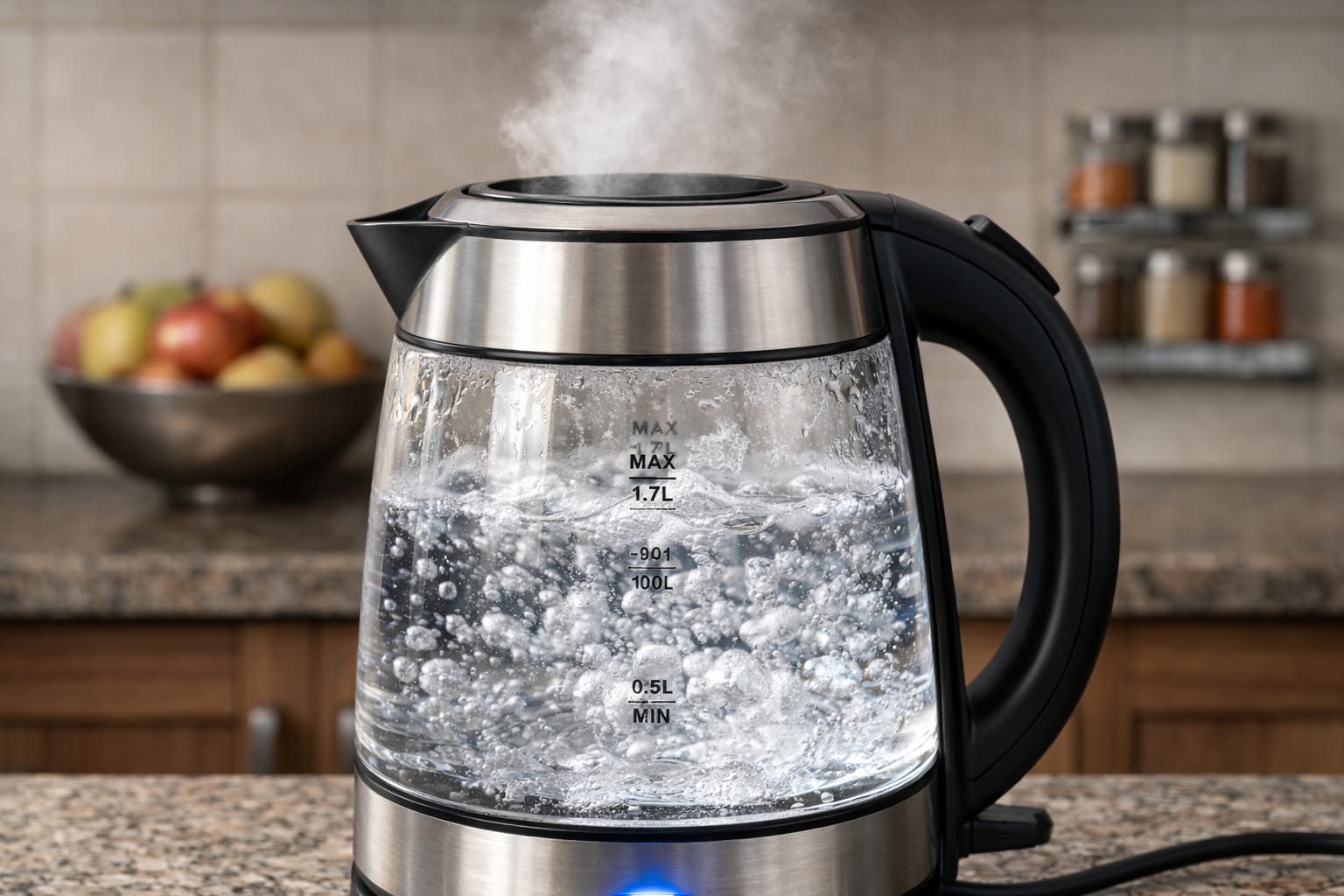
An electric kettle is more convenient for quick water heating because it requires no supervision. According to support guidelines, kettles automatically switch off when water boils, reducing safety risks. Gas stoves work well for larger quantities, but require monitoring and flame adjustment.
Electric Kettle Convenience
- Auto shut-off
- Portable
- Great for hostels and offices
- Easy for beginners
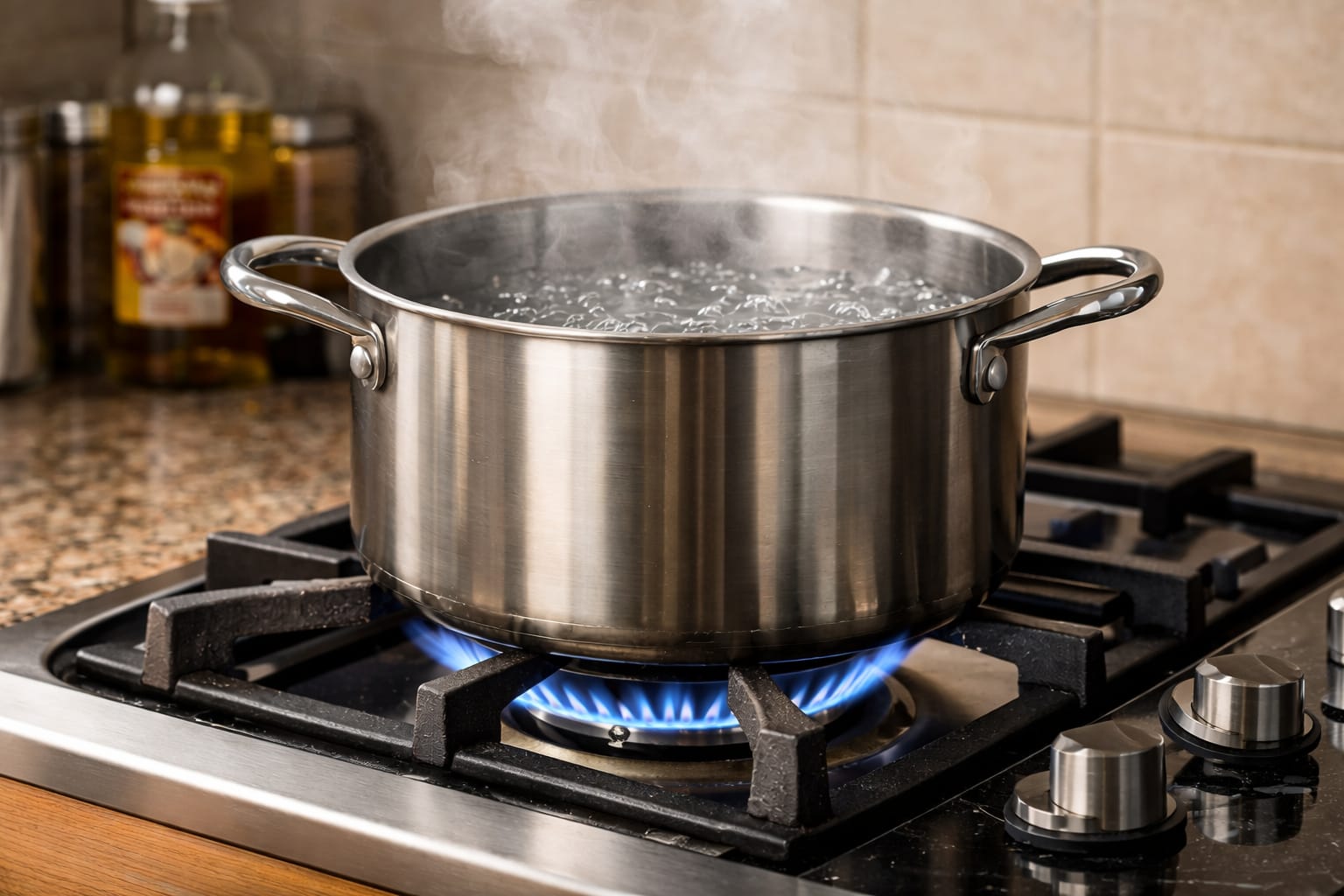
Gas Stove Convenience
- Good for heating large volumes
- Works even without electricity
- Best for cooking-related boiling
Which Is More Energy Efficient?
Electric kettles are more energy-efficient because they convert almost all electrical energy directly into heat. Gas stoves lose heat through the sides of the flame. Based on user reports, kettles use less time and fuel, especially for 1–2 cups of boiling.
Energy Efficiency Overview
Electric kettle: Highly efficient for small amounts
Gas stove: Better for cooking tasks, not pure boiling
Real-Life Example
For one cup of tea, most users say an electric kettle consumes far less energy than firing up a full stove burner.
Which Is Better for Your Household – Kettle or Gas Stove?
Choose an electric kettle if you need quick, small-batch boiling for tea, coffee, or instant meals. Choose a gas stove if you’re boiling water for cooking or need to heat larger quantities. Your choice depends on how often and how much water you boil.
Choose Electric Kettle If:
- You need 1–2 cups frequently
- You want fast heating
- You prefer auto shut-off
- You stay in a hostel or office
Choose Gas Stove If:
- You heat water for cooking
- You prefer one appliance for all tasks
- You boil more than 1 litre regularly
Conclusion:
If your main goal is speed and convenience, an electric kettle is the winner. It saves time, energy, and effort—perfect for small families, students, and office use.
But if you need to boil large amounts of water or use it for cooking, the gas stove is more practical. Choose based on your routine, kitchen setup, and boiling frequency.
Disclaimer: This article shares general troubleshooting information, not official support guidance.
Frequently Asked Questions
Q. Does an electric kettle boil water faster than a gas stove?
A. Yes. Electric kettles typically boil 1 litre of water in about 3–4 minutes, which is faster than most gas stoves.
Q. Which method is cheaper: electric kettle or gas?
A. For small quantities of water, electric kettles are more cost-efficient. Gas becomes more economical only for larger, cooking-related boiling.
Q. Can an electric kettle be used for cooking?
A. Only for simple tasks such as boiling eggs or making instant noodles. Electric kettles are mainly designed for boiling water.
Q. Is it safe to leave an electric kettle unattended?
A. Yes. Most modern electric kettles come with auto shut-off, making them safer than leaving an open flame unattended on a gas stove.