Every season in India brings new home maintenance challenges—humidity in monsoon, heat in summer, and cold drafts in winter. Many homeowners struggle because they don’t know which seasonal fixes to prioritize or what tools to use.
This guide gives you practical, tool-based seasonal home tips for summer, winter, and monsoon so you can prepare your home in advance.
What Are the Best Home Tips for the Summer Season?
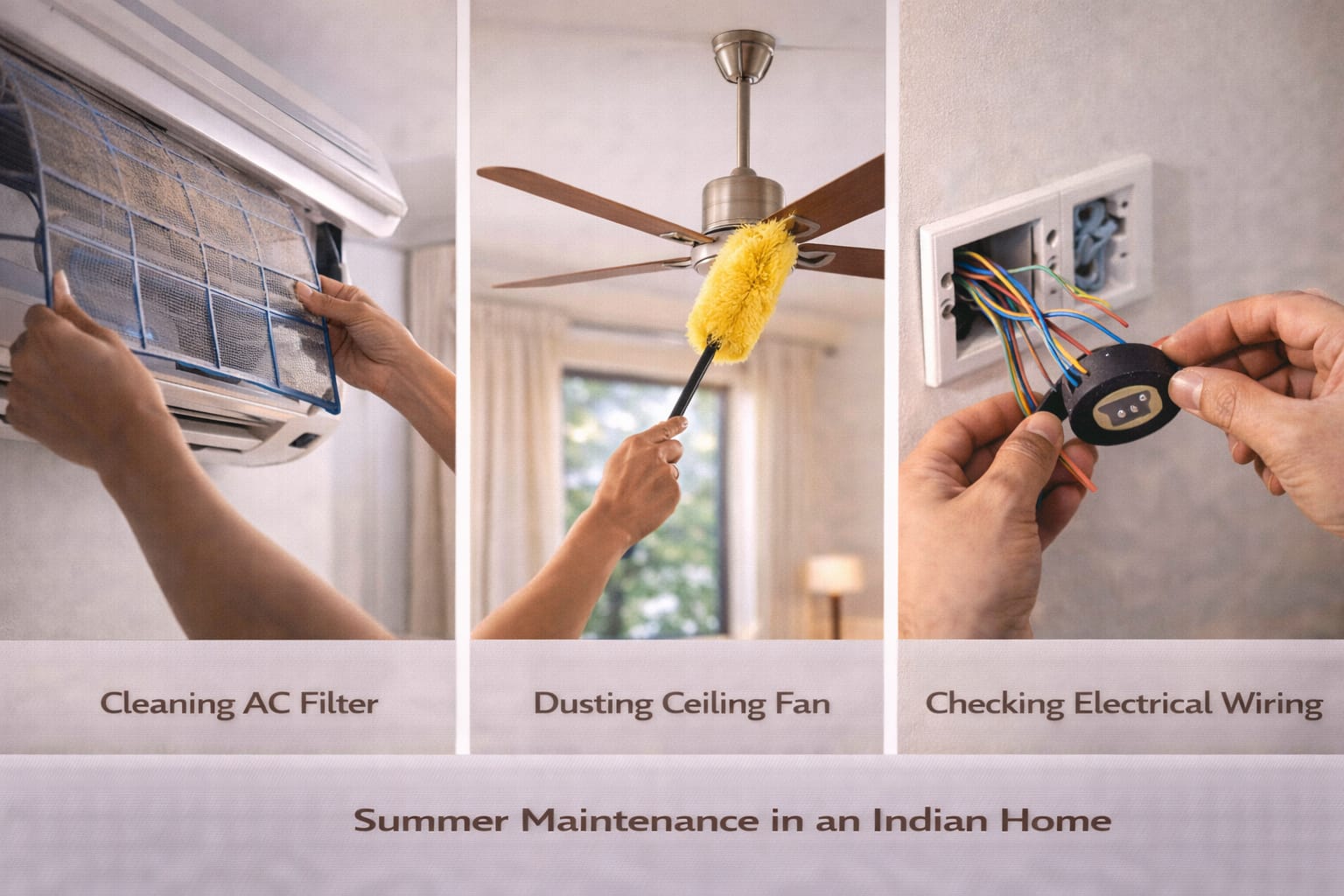
Summer maintenance focuses on improving cooling, checking electrical load, and preventing heat-based damage. Based on user reports, cleaning fans, servicing AC filters, adding thermal curtains, sealing window gaps, and inspecting wiring helps keep your home safe and cooler. Small DIY steps save electricity and prevent overheating issues.
How Can You Cool Your Home Naturally in Summer?
- Install reflective curtains or blinds
- Use cross-ventilation early morning and late evening
- Place indoor plants like money plant or areca palm
- Switch to LED bulbs to reduce heat load
What Tools Help with Summer Home Maintenance?
- Screwdriver (for fan tightening & AC filter removal)
- Vacuum cleaner or brush for AC filter cleaning
- Measuring tape (for curtain fitting)
- Insulation tape (for loose electrical wiring)
Real-Life Example
Many Indian households report better cooling after cleaning fan blades and AC filters every 30 days.

What Are the Best Home Tips for the Monsoon Season?
Monsoon brings moisture, leaks, and electrical risks. According to support guidelines, the most effective method is sealing cracks, checking roof drains, waterproofing walls, and protecting wiring. Keep essential tools ready for small leaks, loose hinges, and emergency power issues.
How Do You Prevent Leaks and Dampness in Monsoon?
- Seal window gaps with silicone
- Use waterproof coating on terrace edges
- Check if wall paint is peeling (early damp sign)
- Keep furniture away from damp-prone walls
Which Tools Help During Monsoon?
- Caulking gun (for sealants)
- Adjustable wrench (for loose pipe joints)
- Hammer + nails for temporary roof fixes
- Voltage tester (for checking electrical safety)
Real-Life Example
Based on user reports, sealing windows with silicone before the monsoon reduces water seepage by up to 80%.
What Are the Best Home Tips for the Winter Season?
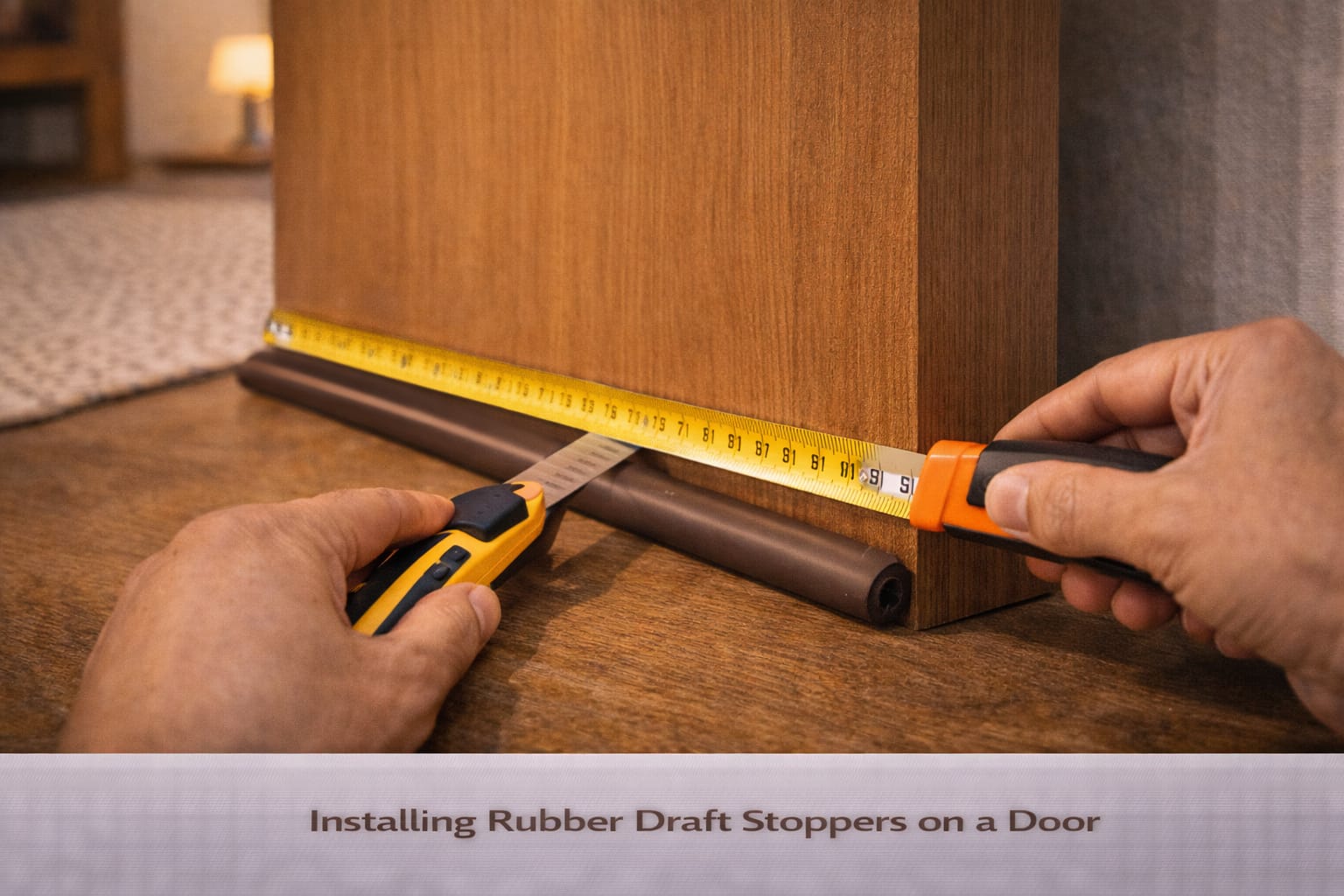
Winter home care includes blocking drafts, checking water heater function, improving insulation, and preventing moisture buildup. Using simple DIY steps—like rubber door stoppers, geyser descaling, and lining windows—helps keep your home warm and safe.
How Can You Reduce Cold Drafts in Indian Homes?
- Add rubber lining to doors
- Use thick curtains
- Place rugs on cold tile floors
- Cover balcony gaps with acrylic sheets
Which Tools Should You Use for Winter Prep?
- Screwdriver (for adjusting geyser plates)
- Pliers (tightening loose heater knobs)
- Measuring tape (for curtain replacement)
- Utility knife (for cutting insulation material)
Real-Life Example
Geyser descaling every winter improves heating efficiency and reduces electricity usage.
How to Compare Seasonal Tool Needs: Summer vs Monsoon vs Winter?
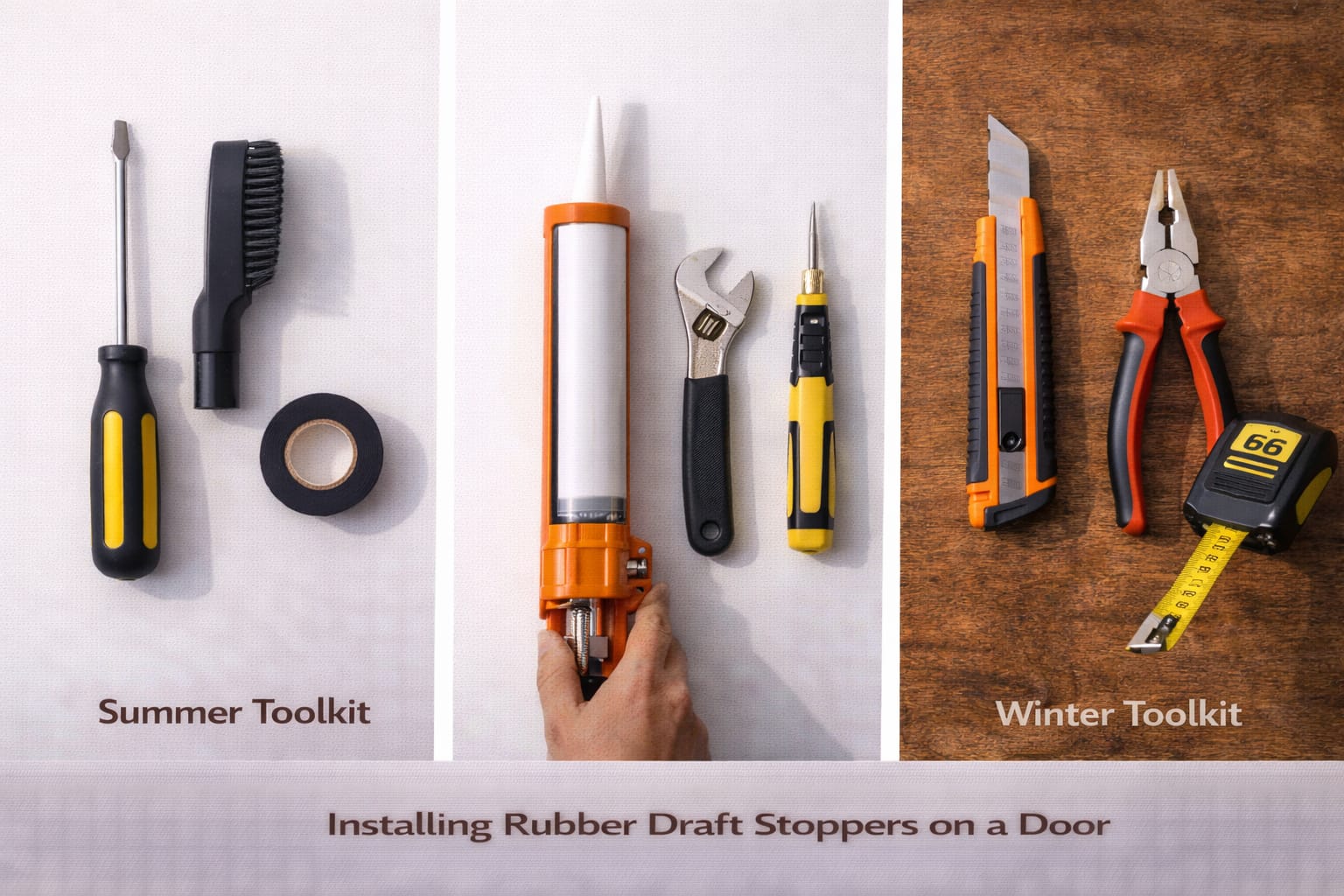
Seasonal tools vary depending on typical issues—summer needs cleaning and electrical tools, monsoon needs sealing and plumbing tools, and winter needs insulation-related tools. Based on user reports, maintaining a small seasonal toolkit saves money and prevents emergency breakdowns.
| Season | Must-Have Tools | Typical Repairs | DIY Difficulty |
| Summer | Screwdriver, vacuum brush, insulation tape | Fan tightening, AC filter cleaning | Easy |
| Monsoon | Caulking gun, wrench, voltage tester | Leak sealing, pipe tightening | Medium |
| Winter | Utility knife, pliers, measuring tape | Insulation fixes, geyser maintenance | Easy |
Conclusion:
Seasonal maintenance is easier when you know what to check and which tools to use. Whether it’s improving airflow for summer, sealing leaks for monsoon, or insulating your home for winter, these simple DIY tips help you protect your home and reduce long-term costs.
Start early, follow the steps, and prepare your home for every season confidently.
Disclaimer: This article shares general troubleshooting information, not official support guidance.
Frequently Asked Questions
Q. What are simple seasonal home tips for beginners?
A. Start by checking for leaks during the monsoon, cleaning AC filters in summer, and blocking drafts in winter. These basic tasks use simple tools and help prevent bigger maintenance problems.
Q. How often should I prepare my home for each season?
A. It’s best to do a seasonal check at least 2–3 weeks before major weather changes, especially before the monsoon or peak summer.
Q. Are seasonal tools expensive?
A. No. Most commonly used tools—such as screwdrivers, wrenches, and utility knives—are affordable and can last for many years.
Q. Can beginners follow these seasonal tips safely?
A. Yes. These tips focus on simple maintenance rather than complex electrical or structural repairs. If something feels risky or uncertain, it’s safer to call a professional.